Packing for Mount St. Louis: Your Complete Guide to Maximizing Cargo Space in the 2026 Subaru Forester
December 26 2025,
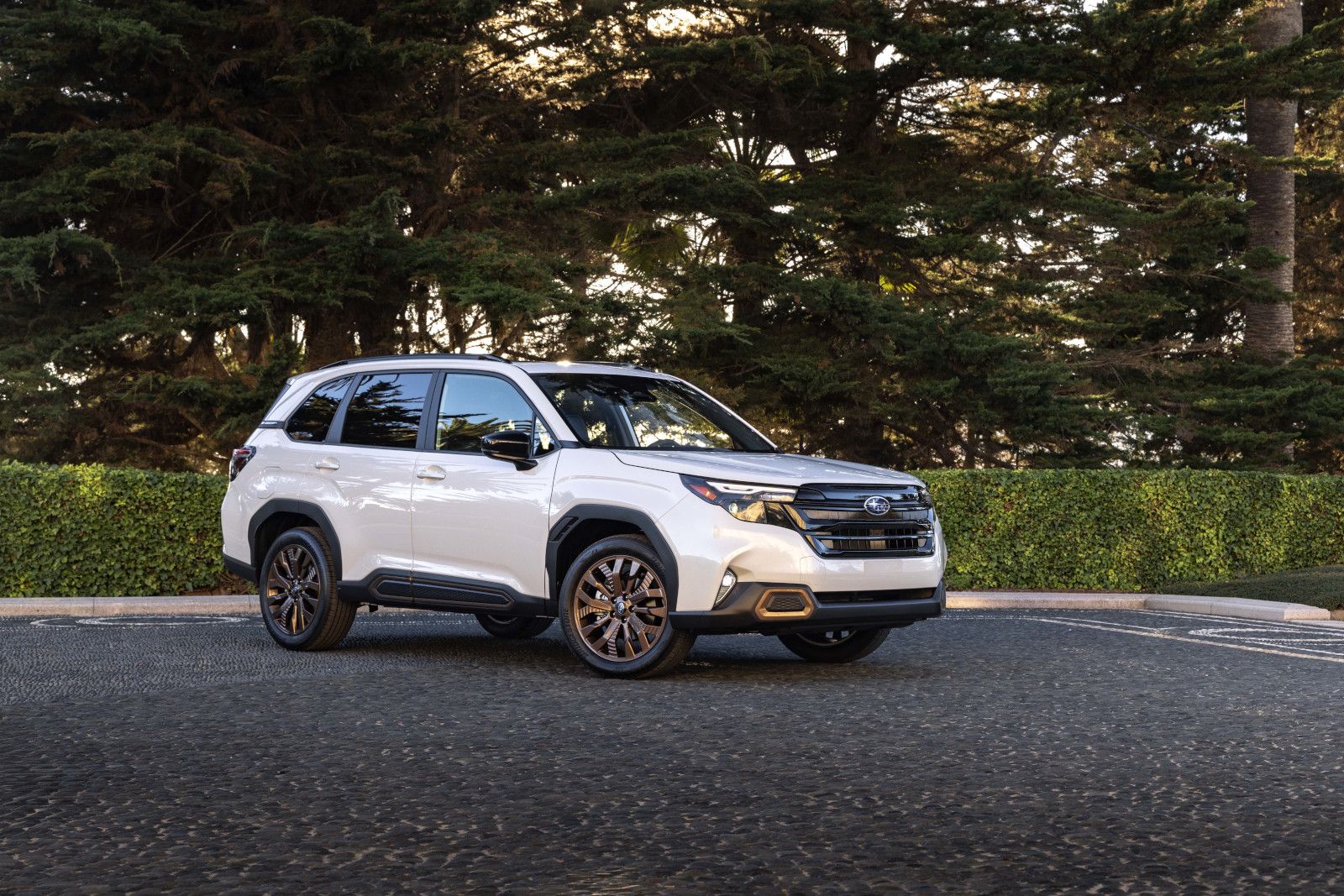
Winter weekends at Mount St. Louis Moonstone mean skis, boots, poles, helmets, and layers for the whole family. For drivers in Vaughan and across Ontario, the real question is simple: can your SUV handle the gear without needing a roof box or leaving someone behind?
The 2026 Subaru Forester delivers practical, flexible cargo solutions designed for real-world winter adventures. With a flat-folding 60/40-split rear seat, generous cargo dimensions, and intelligent interior design, this compact SUV makes it easy to pack efficiently and hit the slopes without compromise.
Understanding the 2026 Forester's Cargo Dimensions
The 2026 Forester offers distinct cargo configurations depending on trim level, each designed to accommodate different packing needs.
Base Trim (Convenience):
- Seats up: 838 litres
- Seats folded: 2,107 litres
- Cargo floor length (seats folded): 1,796 mm
- Cargo space height: 887 mm
- Liftover height: 733 mm
Upper Trims (Touring, Sport, Limited):
- Seats up: 779 litres
- Seats folded: 1,957 litres
- Cargo floor length (seats folded): 1,796 mm
- Cargo space height: 822 mm
- Liftover height: 733 mm
Premier Trim (Specific Configuration):
- Seats up: 762 litres
- Seats folded: 1,957 litres
- Cargo floor length (seats folded): 1,776 mm
- Cargo space height: 822 mm
- Liftover height: 739 mm
All trims share consistent dimensions at key loading points: the liftgate opening measures 1,250 mm at its widest point, while the width between wheel wells spans 1,100 mm. This consistency simplifies packing across trim levels.
How to Use the 60/40-Split Folding Rear Seat
The 2026 Forester's rear seat configuration gives you control over how you balance passengers and cargo. Higher trims feature one-touch flat-folding functionality, making the process faster.
Folding the Seats:
- Remove headrests if needed for a completely flat load floor
- Pull the release lever or use one-touch controls (Touring/Limited)
- Fold either the 60% or 40% section independently, or both for maximum space
Why the 60/40 Split Matters:
- Fold the 60% section to carry long items like skis while keeping one rear passenger seat available
- Fold both sections for full cargo access when travelling with just the driver and front passenger
- Keep both sections upright when hauling gear in the cargo area only
The flat-folding design eliminates the step or angle found in many competitors, creating a continuous load floor from the rear seats to the liftgate.
Packing Skis, Boots, and Kids: A Practical Layout
Scenario 1: Family of Four with Full Gear
For two adults and two kids heading to Mount St. Louis, you'll need to pack efficiently while keeping all seats occupied.
- Place ski bags vertically along the sides of the cargo area, leaning against the wheel wells
- Stack boot bags flat on the cargo floor
- Use soft items (jackets, helmets) to fill gaps and prevent shifting
- Store smaller items (goggles, gloves) in door pockets and the centre console
With 779 litres behind the rear seats (Touring/Sport/Limited trims), this layout works for most families without folding seats. If you're carrying snowboards or additional gear, fold the 60% section and slide longer items through.
Scenario 2: Two Adults with Extended Gear
For couples or smaller groups with more equipment, fold both rear seats to unlock the full 1,957 litres of cargo space.
- Lay skis flat along the length of the cargo floor (1,796 mm accommodates most adult skis)
- Stack boots, helmets, and poles in the remaining space
- Use the 1,100 mm width between wheel wells to organize gear side-by-side
- Keep frequently accessed items near the liftgate for easy retrieval at the hill
Maximizing Vertical Space and Load Organization
The 2026 Forester's cargo height ranges from 822 mm to 887 mm depending on trim, providing enough vertical clearance for stacked gear without crushing softer items.
Tips for Efficient Vertical Packing:
- Place hard items (boot bags, equipment cases) on the bottom layer
- Stack soft items (jackets, base layers) on top to maximize height without damage
- Use the liftgate opening height (819 mm) as a guide—if it clears the opening, it fits
- Consider collapsible storage bins to maintain organization and prevent gear from sliding during transit
The tonneau cargo cover (standard on most trims) keeps items out of sight and adds a layer of security when parked at the hill.
When You Don't Need a Roof Box

Roof boxes add wind resistance, reduce fuel efficiency, and require extra time to load and unload. The 2026 Forester's interior cargo capacity eliminates the need for external storage in most situations.
Interior Cargo Advantages:
- Gear stays dry and secure inside the cabin
- No impact on aerodynamics or fuel economy (9.1 L/100 km city, 7.2 L/100 km highway)
- Faster loading and unloading at the trailhead
- No additional equipment purchase or installation required
For families who occasionally need extra space, the Forester's raised roof rails (standard on most trims) provide the option to add a roof box when necessary, but the interior dimensions make it unnecessary for typical weekend ski trips.
Additional Storage Solutions in the 2026 Forester
Beyond the main cargo area, the Forester offers several interior storage features that help keep smaller items organized during winter trips:
- Console-integrated cup holders (front and rear) for water bottles and thermoses
- Door compartments for maps, snacks, and quick-access items
- Seatback pockets (front seats) for phones, wallets, and smaller gear
- Overhead sunglasses compartment for easy-reach storage
- 12V power outlet in the cargo area for charging devices or powering accessories
Cargo Space Comparison: 2026 Forester vs. Key Competitors
|
Model |
Cargo Volume (Seats Up) |
Cargo Volume (Seats Folded) |
Cargo Floor Length (Seats Folded) |
|
2026 Subaru Forester (Touring/Sport/Limited) |
779 L |
1,957 L |
1,796 mm |
|
2025 Honda CR-V |
1,030 L |
2,146 L |
1,778 mm |
|
2025 Toyota RAV4 |
1,065 L |
2,075 L |
1,828 mm |
The Forester's flat-folding seat design and consistent cargo floor length across trims provide a practical advantage for loading long items like skis without angling or creative packing.
Preparing Your Forester for Winter Road Trips
Cargo capacity matters, but so does getting to the hill safely. The 2026 Forester includes several features that support confident winter driving:
- Subaru Symmetrical Full-Time All-Wheel Drive (standard on all trims)
- 220 mm ground clearance for snow-covered parking lots and unplowed roads
- X-MODE with Hill Descent Control for controlled driving on steep, slippery grades
- Heated front seats (standard) and available heated rear seats for passenger comfort
Mount St. Louis sits approximately 85 kilometres north of Vaughan, making it an easy day trip or weekend getaway. The Forester's 63-litre fuel tank provides sufficient range for the round trip without refuelling, even in winter conditions.
Experience the 2026 Forester at Subaru of Maple
The 2026 Subaru Forester's flexible cargo space, flat-folding rear seats, and practical interior design make it easy to bring everything you need for a ski trip without leaving anyone behind.
Visit Subaru of Maple in Vaughan to see the 2026 Forester's cargo area in person. Our team can demonstrate the seat-folding process, walk you through trim-specific storage differences, and help you determine which configuration fits your winter adventure needs.