What the 2026 Subaru Trailseeker’s Range Means for Daily Driving
September 23 2026,
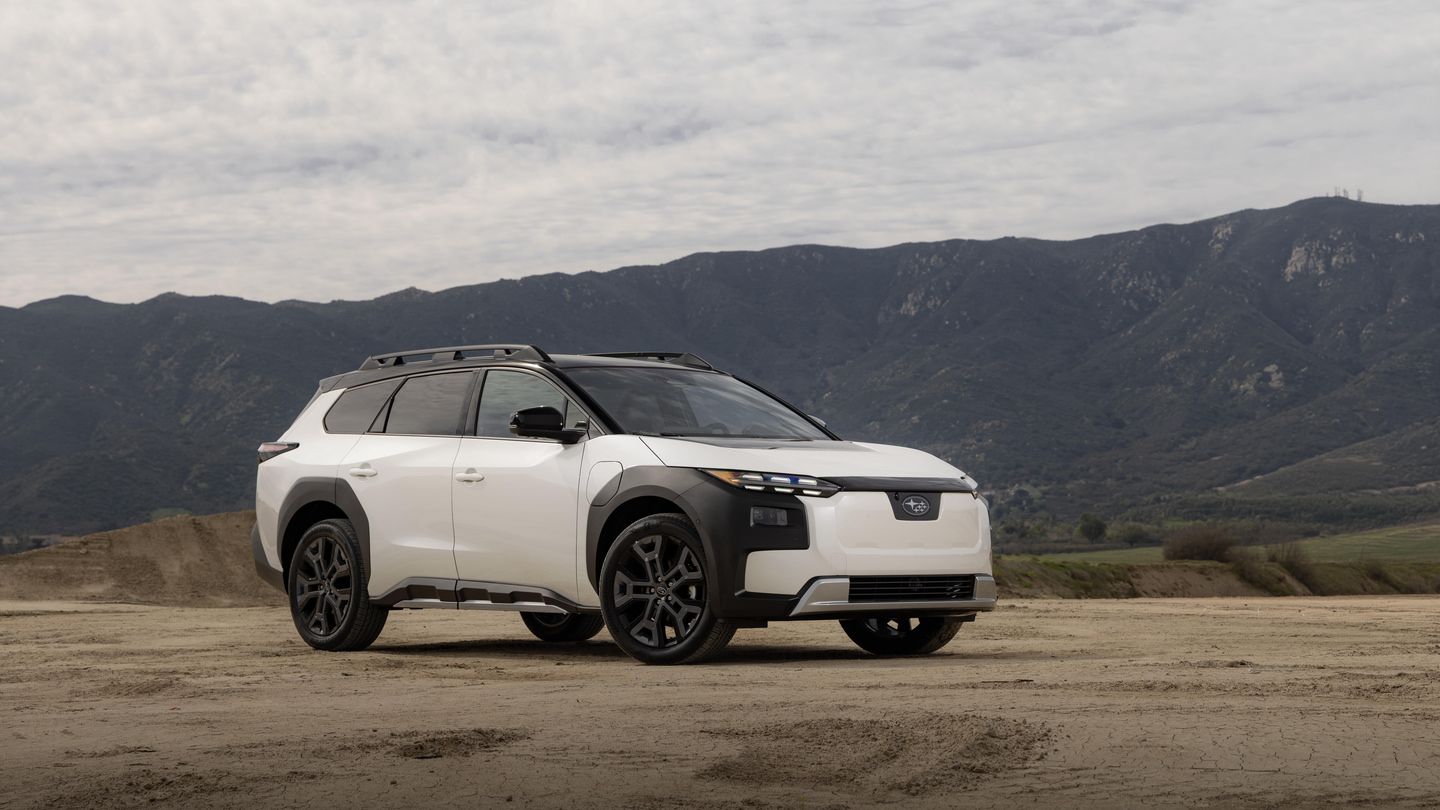
A range number on a window sticker is a starting point, not a promise. For Ontario drivers weighing an EV against a commute, school runs, and weekend errands, the real question is how that number holds up on a Tuesday in traffic or a January morning with the heat on.
The 2026 Subaru Trailseeker is rated up to 444 km of range in ideal conditions. This article breaks down what that figure means day to day, and answers the questions Ontario shoppers ask most.
Why Range Planning Matters for Ontario Driving
Most households don’t drive in ideal conditions. Highway speed, stop-and-go traffic, cold mornings, and a fully loaded cabin all pull on range differently than a lab test does.
Treat the 444 km figure as a ceiling, not a guarantee. Actual range moves with driving habits, speed, and traffic patterns, along with weather, temperature, and how much the climate control gets used. Load, road conditions, and battery age over time also play a role.
For a household doing a daily commute, school drop-off, and a grocery run, that ceiling still leaves a wide margin. The point isn’t to squeeze every kilometre out of one charge; it’s to know how the number behaves before you rely on it for a longer weekend trip.
The Specs Behind the Range Number
The range estimate starts with the battery underneath the Trailseeker: a 74.7 kWh lithium-ion pack running at 391 V. That capacity feeds a dual-motor AWD setup producing 375 hp and 396 lb-ft of torque, with Subaru’s Symmetrical All-Wheel Drive standard across the lineup.
Charging works on two tracks. A Level 2 home connection takes about 8 hours for a full charge, which is the everyday baseline: plug in overnight, wake up to a full battery. For a longer day, DC fast charging can take the battery from 10 to 80 percent in about 30 minutes at up to 150 kW. The Trailseeker uses a NACS charging port, which offers more on-the-go charging options for topping up away from home.
|
Spec |
Trailseeker (EV) |
|---|---|
|
Battery capacity |
74.7 kWh (391 V, lithium-ion) |
|
Electric range |
Up to 444 km (ideal conditions) |
|
Level 2 charge time |
8 h |
|
DC fast charge (10-80%) |
30 min at up to 150 kW |
|
Drivetrain |
AWD, dual-motor, 375 hp / 396 lb-ft |
Regenerative braking, controlled through steering wheel paddles, and the available drive modes both work as range-management tools. Easing off the accelerator and letting the regen slow the vehicle recovers energy that a hard brake would waste, useful on the kind of stop-and-go city driving Ontario commuters know well.
Cold weather is the variable that gets asked about most. The Trailseeker’s battery includes a pre-conditioning system and a standard heat pump, both aimed at keeping the battery and cabin efficient when temperatures drop. That doesn’t erase the effect winter has on range, but it does mean the vehicle is built with Ontario’s climate in mind rather than treating it as an afterthought.
Who Gets the Most Out of This Range

A household with a typical daily commute, plus errands and a weekend outing, fits comfortably inside the Trailseeker’s range window with a home Level 2 charger doing the daily work. That’s the routine that matters most for suburban and urban Ontario drivers: short, repeated trips rather than long highway hauls.
Weekday driving and weekend driving ask different things of the vehicle. On weekdays, home charging covers the gap between trips without a second thought. On weekends, when distances stretch further, DC fast charging fills in the difference on a longer day trip without derailing the schedule.
The SUV format matters here too. Behind the rear seats, the Touring and Limited trims offer 886 L of cargo space, expanding to 2,095 L with the seats folded; the Premier trim offers 860 L behind the rear seats and 2,033 L folded. Combined with seating for five, that’s enough room for the gear that comes with a full weekend, not just a commute.
Shoppers who plan around a home charger and treat DC fast charging as an occasional tool, rather than a daily requirement, get the most predictable experience from this range figure. Anyone whose routine leans heavily on long, unplanned highway stretches should think through their charging stops before committing.
Making the Trailseeker’s Range Work for You
The 444 km figure is strong enough to cover many household routines without daily range anxiety, provided the charging setup matches the driving pattern. A Level 2 charger at home, with DC fast charging kept for busy days and longer trips, is the setup that makes an EV SUV like this one work in daily Ontario life.
Before deciding, compare your own weekly driving pattern against how you’d charge: home overnight, occasional fast-charge top-ups, and a realistic sense of how winter affects range. Visit Subaru of Maple in Vaughan to see the 2026 Trailseeker in person and ask about home charging setup for your household. Book a test drive built around your actual commute, your cargo needs, and how charging would fit your week.